The short answer
Late March to early April (cherry blossoms) and November (autumn leaves) are Japan's most spectacular — and most crowded — windows. May and October offer nearly as much beauty with fewer people. Winter means snow monkeys, powder skiing and the clearest Mount Fuji views; summer brings festivals and fireworks, but also heat and humidity.
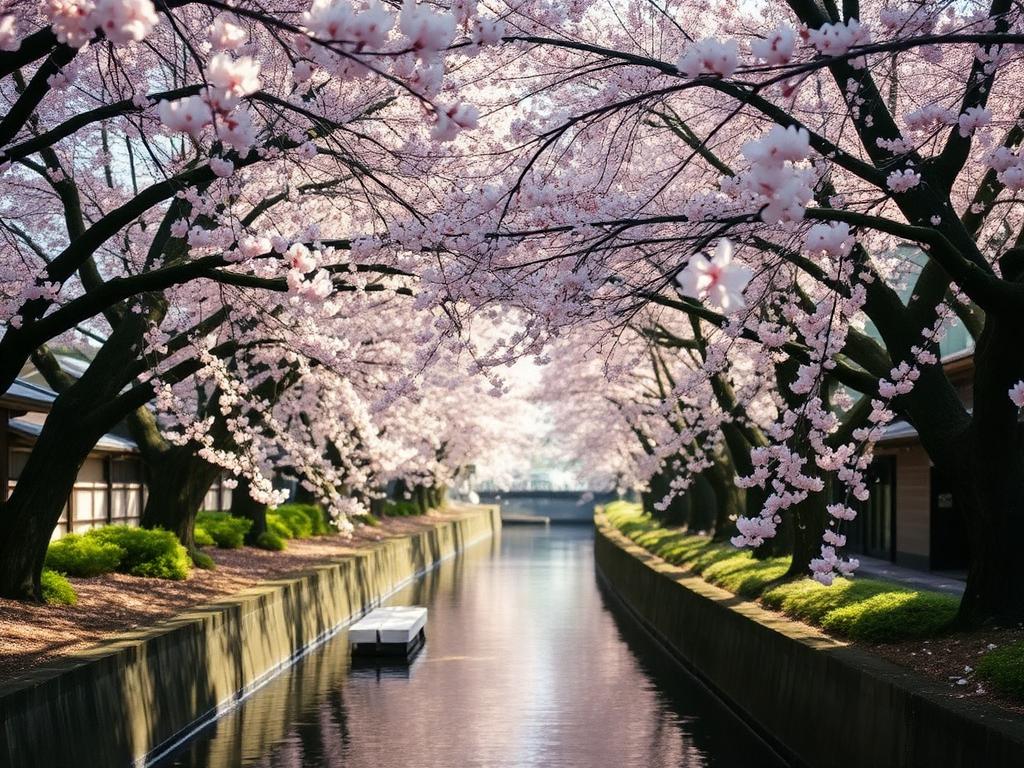
Spring (March–May): sakura season
The blossom front sweeps from Kyushu in late March to Hokkaido in early May. Tokyo and Kyoto typically peak in the last week of March through the first week of April — but it shifts every year, which is why our seasonal tours track the forecast daily and keep routing flexible.
Book hotels 4–6 months ahead for sakura season. May, after Golden Week, is one of Japan's best-kept secrets: perfect weather, green landscapes and thinner crowds.
Summer (June–August): festivals and fireworks
June brings the rainy season (and glowing hydrangea temples). July and August are hot and humid, but reward you with Japan's great festivals — Kyoto's Gion Matsuri, Aomori's Nebuta — plus fireworks over rivers and beer gardens on rooftops. Head to Hokkaido or the Japanese Alps to escape the heat.
Autumn (September–November): the crimson wave
Autumn colour flows in reverse — north to south — peaking in Tokyo and Kyoto in mid-to-late November. Kyoto's temple gardens under crimson maples are arguably more beautiful than sakura season, and evening illuminations turn them surreal.
Winter (December–February): snow and clarity
Crisp blue skies give winter the best Mount Fuji visibility of the year. Add snow monkeys bathing in Nagano's hot springs, world-class powder in Hokkaido, and Shirakawa-go's thatched village under deep snow — plus the lowest hotel prices outside New Year.
Our recommendation
First trip? Aim for late March–early April or November if you can book early enough; otherwise May or October. Tell us your dates and we'll design around whatever Japan is doing that month — every season here has a masterpiece to show you.